Navigating Holiday Stress: Finding Calm in the Storm
At Inmost Being Behavioral & Consulting Services, we understand that holiday stress can feel less like a celebration and more like survival mode. It’s about a quiet unraveling that can happen when old wounds resurface, boundaries blur, and the pressure to perform joy becomes too heavy to carry. We recognize the emotional fatigue, the weight of unspoken expectations, and the strain that gatherings can place on already tender relationships.
If the thought of holiday gatherings makes your chest tighten, you’re not alone. And more importantly, your response is valid.
Research confirms what many already feel: 81% of people experience increased stress during the holiday season, with 37.5% reporting that their mental health worsens during this time. Even more telling, 60% of Americans report that their stress levels increase during the holidays.
Common holiday stressors include:
- Forced proximity to family members who may have caused harm or invalidated your experiences
- The pressure to perform happiness when you’re struggling internally
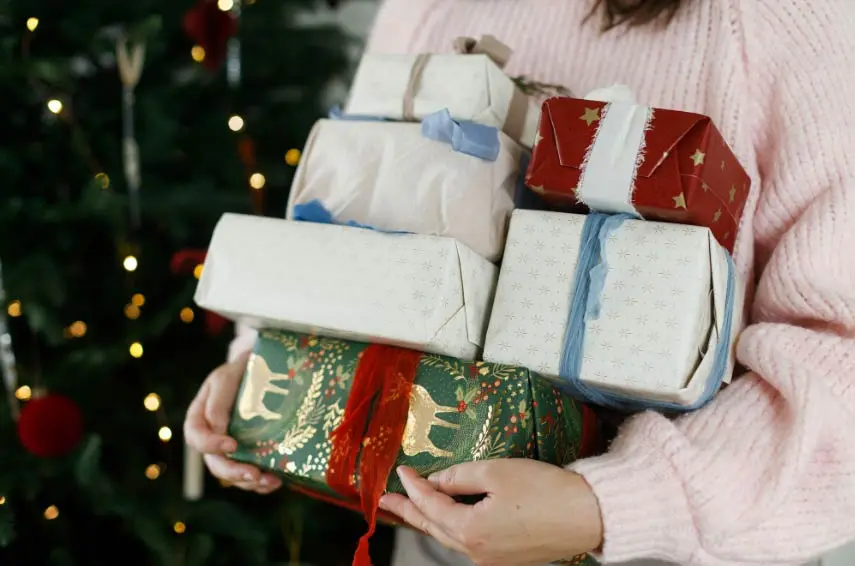
- Financial strain adds practical stress to emotional overwhelm. The costs of gift-giving, travel, and hosting can stretch budgets and stir feelings of scarcity, guilt, or pressure to perform. Inflation is the leading cause of holiday stress for the third year in a row, affecting 31% of respondents, with 50% worrying about affording holiday gifts.
- Disrupted routines that normally provide stability and safety; 30% of people get less sleep over the holidays, which can further compromise emotional regulation.
- Grief and loss often feel more acute during “celebratory” seasons. The absence of loved ones, or the quiet distance/strain in relationships that once felt close can quietly intensify emotional pain.
- Old roles and dynamics that resurface when you return to family settings. Young adults often regress in response to stress-inducing family dynamics during the holidays, reverting to childhood roles and defense mechanisms.
- Social comparison: social media can make it seem like everyone else is thriving, deepening feelings of isolation or failure.
These aren’t just inconveniences. For trauma survivors, they can be genuine threats to psychological safety. For survivors of abusive or traumatic homes, the holiday season can amplify feelings of grief, resentment, and sadness, since memories of holidays are often laced with fear, anxiety, and conflict.
This doesn’t mean you’re selfish. It means you’re honoring what your nervous system is telling you and making choices that support your healing rather than compromising it.
What Does Trauma-Informed Support Look Like?
It recognizes that:
- Your body’s stress responses (anxiety, shutdown, hypervigilance) are protective, not defective
- You have the right to set boundaries, even with family
- Healing doesn’t pause for the holidays, it may require more intentional care
- There’s no “right way” to do the holidays; what works for you is always an option
It asks:
- What do you need to feel safe?
- What would make this season more bearable, even if it’s unconventional?
- Who are your true sources of support?
- What traditions serve you, and which ones don’t?
1. Name your needs early
Before the calendar fills up, ask yourself: What do I need to feel emotionally safe and supported this season? What boundaries will protect my peace?
2. Give Yourself Permission to Say No
You don’t owe anyone your presence, especially if it comes at the cost of your mental health. Saying no to a gathering, leaving early, or choosing alternative celebrations are all valid choices.
Try saying:
- “I won’t be able to make it this year, but I’m sending love.”
- “I can come for two hours, but I’ll need to leave by 3pm.”
- “I’m creating some new traditions this year that feel better for me.”
3. Create a Safety Plan
Before entering potentially triggering situations, plan ahead:
- Identify a safe person you can text or call
- Have an exit strategy (your own transportation, a code word with a trusted person)
- Practice grounding techniques (5-4-3-2-1 sensory awareness, deep breathing)
- Set time limits for yourself in advance
You’re not “too sensitive” or “ruining the mood” by feeling anxious or sad. Your nervous system is responding to real cues. Honor it.
5. Honor Your Nervous System
Your body is trying to protect you. Work with it, not against it:
- Notice when you’re activated (racing heart, shallow breathing, feeling disconnected)
- Take breaks to regulate (step outside, go to the bathroom, take a walk)
- Allow yourself to leave if you need to; this is self-care, not weakness
6. Redefine What “Family” Means
Family doesn’t have to be biological. Your chosen family: friends, partners, community members who truly see and support you, can be where you invest your holiday energy.
Consider creating new traditions that feel authentic to who you are now, not who you were expected to be.
7. Limit Exposure to Holiday Messaging
If picture-perfect holiday posts on social media are making you feel worse, it’s okay to opt out of the noise. Constant comparison and pressure to perform “holiday happiness” can quietly disrupt the healing process. Your peace matters more than the highlight reel.
8. Keep Your Routine When Possible
Maintain the practices that ground you: therapy appointments, movement, sleep schedules, alone time. These aren’t luxuries—they’re necessities.
- Gaslighting: When someone denies your lived experience (“That never happened,” “You’re too sensitive”), it can echo earlier invalidation and trigger self-doubt or emotional shutdown.
- Boundary violations: Being pressured to hug, overshare, or stay in spaces that feel unsafe can retrace the steps of past powerlessness, especially if your boundaries were once ignored or punished.
- Emotional manipulation: Guilt-laced comments like “If you loved us, you’d come” or “You’re ruining the holiday” can reignite old patterns of people-pleasing, fawning, or emotional over functioning.
- Perfection pressure: You may feel responsible for creating “holiday magic” while silently managing anxiety, exhaustion, or trauma responses. This can mirror childhood roles where your worth was tied to performance or emotional caretaking.
- Reactivation of old trauma patterns: Certain environments, phrases, or dynamics around family, holidays, or high-pressure gatherings can unconsciously trigger past survival responses. You might find yourself shutting down, over-accommodating, or feeling emotionally flooded without knowing why.
These aren’t overreactions—they’re echoes of earlier experiences resurfacing in familiar terrain.
- Leave immediately
- Not respond to guilt-tripping messages
- Seek support from your therapist or support system
- Prioritize your safety over others’ expectations
Your therapist can help you:
- Process anticipatory anxiety before events
- Debrief difficult interactions afterward
- Practice boundary-setting and assertiveness skills
- Develop personalized coping strategies
- Validate your experiences when family members don’t
If you’re not currently in therapy but struggling with holiday-related trauma responses, this might be an ideal time to reach out. You don’t have to wait until you’re in crisis to deserve support.
A Different Kind of Holiday
What if this year, instead of forcing yourself into traditions that don’t fit, you gave yourself permission to do the holidays differently?
That might look like:
- Saying yes only to the gatherings that genuinely nourish you
- A quiet day at home with your favorite meal and a good book
- A Friendsgiving with people who truly know you
- Volunteering where your presence makes a real difference
- Taking a trip somewhere that feels peaceful
There’s no rule that says you have to celebrate the way others do. Your version of the holidays is just as valid.
You’re Not Broken—You’re Responding
If the holidays are hard for you, it’s not because something is wrong with you. It’s because the holidays can be genuinely difficult, especially when carrying the weight of trauma or navigating family systems that haven’t been safe.
Your anxiety, your need for space, your careful boundary-setting; these are signs of wisdom, not weakness. You’re listening to what you need, and that takes courage.
Moving Forward with Compassion
As we move through November and into the heart of the holiday season, remember:
- You deserve to feel safe, even during celebrations
- Your boundaries are not negotiable, even with family
- Healing doesn’t take a holiday break, honor where you are
- You are not alone in finding this season difficult
- There is support available, you don’t have to navigate this alone
Whether you’re working with a trauma-informed therapist, leaning on chosen family, or simply trying to survive until January, know that your experience is valid and your wellbeing matters.
The holidays will pass. Your healing is what endures.
If you’re struggling with holiday-related anxiety, trauma responses, or difficult family dynamics, trauma-informed therapy can provide the support you need. You deserve care that meets you where you are and honor your journey toward healing.
Our trauma-informed therapy, coaching and consulting services are here to support you through the holidays and into the new year. We meet you with warmth, compassion, and care that’s rooted in healing.
- American Psychiatric Association. (2024). One Quarter of Americans Say They Are More Stressed This Holiday Season Than in 2023. https://www.psychiatry.org/news-room/news-releases/one-quarter-of-americans-say-they-are-more-stresse
- Sesame Care. (2024). Election Anxiety and Holiday Stress Survey. https://sesamecare.com/blog/holiday-stress-survey
- Sleepopolis. (2024). Holiday Stress Survey 2024. https://sleepopolis.com/education/holiday-stress-survey-2024/
- U.S. Surgeon General. (2024). Parents Under Pressure: Advisory on the Mental Health & Well-Being of Parents. Referenced at https://www.pakeys.org/oct25-seasonalstress/
- Psychology Today. (2024). Navigating Family Trauma During the Holiday Season. https://www.psychologytoday.com/us/blog/invisible-bruises/202410/navigating-family-trauma-during-the-holiday-season
- Newport Healthcare. (2024). How to Recognize and Navigate Trauma Triggers During the Holidays. https://www.newporthealthcare.com/resources/industry-articles/holiday-trauma/
- Newport Institute. (2024). Holiday Regression in Young Adults. https://www.newportinstitute.com/resources/family-connection/holiday-regression/
- National Center for Biotechnology Information. Understanding the Impact of Trauma on Family Life. https://pmc.ncbi.nlm.nih.gov/articles/PMC2990478/
- Resilient Mind Psychotherapy. (2025). How Trauma Impacts Family Relationships and Dynamics. https://resilient-mind.com/how-trauma-impacts-family-relationships-and-dynamics/